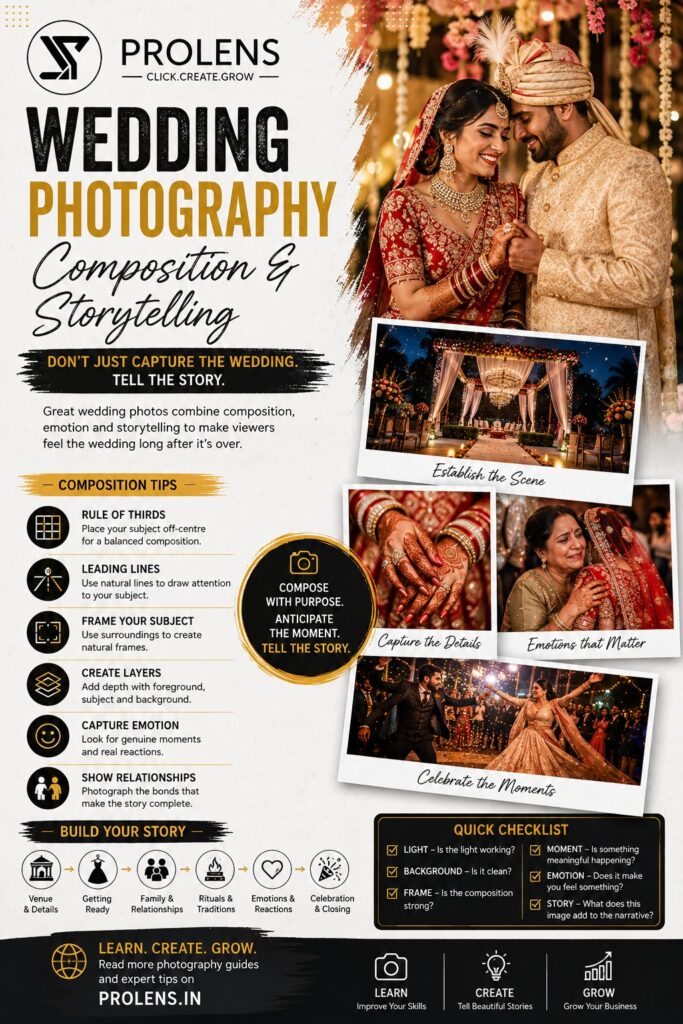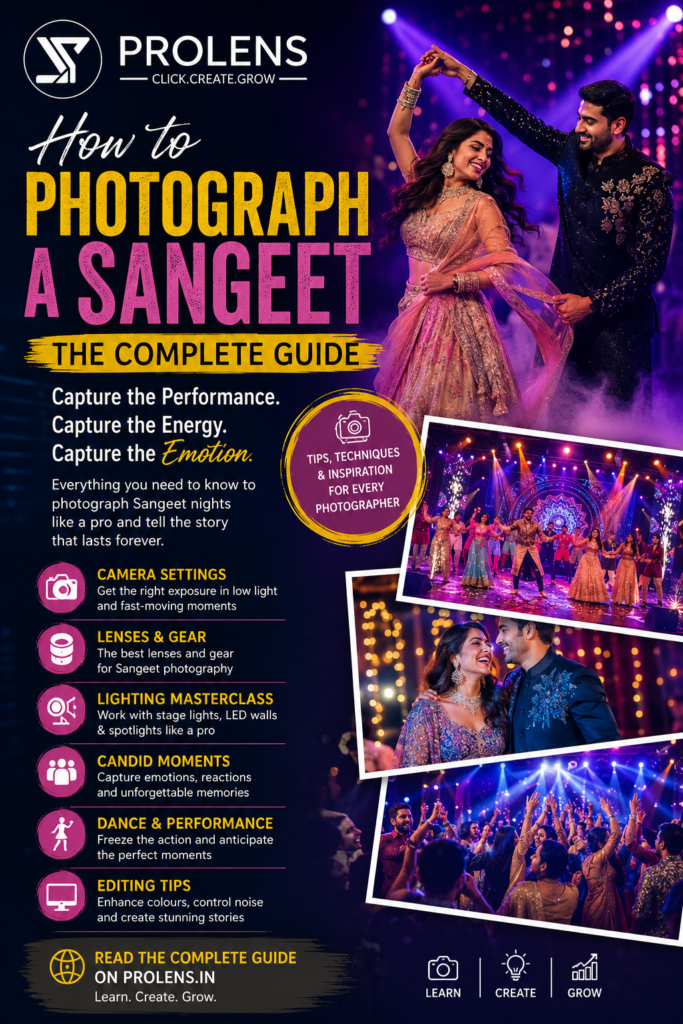

 India has a rich and diverse photographic heritage, yet many professional photographers have never considered the possibility of turning their commercial archives into fine-art bodies of work. As India’s photography ecosystem continues to evolve, could the thousands of images sitting inside photographers’ hard drives, albums and archives find a second life on gallery walls?
By Prolens
From Assignment to Art
For decades, Indian photographers have worked across photojournalism, advertising, fashion, editorial, commercial, travel, documentary and wedding photography.
Over the years, these assignments create enormous archives.
A photographer may have documented:
- Weddings and family celebrations
- Indian festivals and traditions
- Rural and urban communities
- Industrial development
- Fashion and advertising campaigns
- Architecture and changing cityscapes
- Religious and cultural practices
- Political and social events
- Personalities and public figures
- Travel across India
- Everyday life and changing lifestyles
At the time, these photographs may have been created to fulfil a specific client brief or editorial requirement.
But years later, when viewed together, they can tell a much larger story about India, its people and its changing society.
This raises an important question:
Can photographs originally created for commercial or editorial purposes become fine-art photography?
The answer is increasingly yes—but it requires a different way of looking at the archive.
The Indian Photographer’s Archive
Indian photographers often possess extraordinary archives.
A photographer who has worked for 20 or 30 years may have thousands—or even hundreds of thousands—of photographs stored across:
- Hard drives
- DVDs
- Film negatives
- Contact sheets
- Printed photographs
- Memory cards
- Cloud storage
- Old albums
- Magazine publications
- Newspaper archives
Unfortunately, much of this material remains unseen.
The photograph may have served its original purpose—a magazine article, newspaper story, advertising campaign or wedding album—and then disappeared into storage.
But an archive can become much more valuable when viewed through a different lens.
An old photograph of a Bengaluru street, a Chennai neighbourhood, a Mumbai mill area or a village in Rajasthan may have little commercial relevance today.
Yet, collectively, such images can become a visual record of India’s social and cultural transformation.
The Opportunity for Wedding Photographers
This is particularly interesting for India’s wedding photography community.
Indian wedding photographers routinely document extraordinary cultural details.
Across a career, a wedding photographer may photograph:
- Rituals
- Family relationships
- Traditional clothing
- Jewellery
- Food
- Architecture
- Religious ceremonies
- Generational relationships
- Emotions
- Regional customs
- Changing wedding traditions
A single wedding assignment may simply be a commercial job.
But an archive covering 20 years of Indian weddings could become something much larger.
For example, a photographer could develop a long-term project around:
“The Changing Indian Wedding”
The project could document how wedding traditions, clothing, venues, ceremonies, families and social behaviour have changed across two decades.
Suddenly, photographs originally created for clients become a visual cultural archive.
Getting Into the Indian Art Photography Market
Moving from commercial photography into fine art isn’t simply a matter of printing an attractive photograph and putting it on a gallery wall.
The art market evaluates photography differently.
A gallery, curator or collector will typically be interested in:
The idea.
The body of work.
The narrative.
The consistency.
The photographer’s vision.
The quality of the edit.
The presentation.
The photographer’s entire career is not necessarily the selling point.
The strength of a particular body of work is what matters.
A photographer may have 50,000 outstanding images.
A gallery may only need to see 15–30 photographs that together tell a compelling story.
Think Like a Photo Book
One of the most effective ways for an Indian photographer to begin developing an art project is to imagine that the work is going to become a photo book.
Don’t simply select your 30 favourite photographs.
Ask:
What is this project saying?
Then decide which photographs contribute to that idea.
For example, instead of creating a book titled:
“My Best Photographs – 2005 to 2025”
consider developing a project around a specific idea:
“Changing Bengaluru”
or
“India’s Wedding Traditions”
or
“The Last Generation of Traditional Craftspeople”
or
“Life Along the Ganges”
or
“India After Dark”
The stronger the central idea, the easier it becomes to edit and sequence the photographs.
Narrative Is Everything
One of the biggest mistakes photographers make when moving into fine-art photography is creating a collection rather than a project.
Twenty beautiful photographs do not automatically make a successful fine-art series.
The images need to communicate with each other.
Think about:
- Opening image
- Establishing photographs
- Portraits
- Details
- Quiet moments
- Strong visual transitions
- Emotional peaks
- Closing image
The sequence should encourage the viewer to move through the work.
This is exactly the discipline required when creating a documentary photo book.
Revisit Your Old Archives
One of the biggest opportunities for established Indian photographers is sitting inside their old archives.
Go back.
Look at photographs you haven’t seen for 10 or 15 years.
You may discover that photographs which were irrelevant to an old assignment have become more meaningful with time.
Perhaps you photographed:
- A disappearing neighbourhood
- Traditional craftsmen
- Old markets
- Railway communities
- Rural India
- Indian festivals
- Early urbanisation
- Traditional occupations
- Changing family structures
At the time, these may simply have been photographs.
Today, they could represent history.
The Value of the Documentary Archive
India is changing at extraordinary speed.
Cities are expanding. Traditional occupations are disappearing. Architecture is being demolished. Villages are transforming. Wedding traditions are evolving.
Photographers who documented these changes decades ago may unknowingly possess important visual records.
This is where the commercial archive can become valuable from a cultural perspective.
A photograph doesn’t necessarily become fine art because it is old.
It becomes significant when it has context, visual strength and meaning.
Indian Photographers Should Think Beyond Instagram
Social media has changed the way photographers present their work.
Instagram rewards:
- Individual images
- Immediate impact
- Likes
- Reels
- Short attention spans
Fine-art photography operates differently.
Collectors, curators and galleries are interested in:
- Bodies of work
- Long-term projects
- Ideas
- Research
- Context
- Prints
- Books
- Exhibitions
- Provenance
Therefore, photographers looking to enter the art market need to think beyond their Instagram feed.
Your Instagram portfolio is not necessarily your art portfolio.
The Importance of Prints
Digital images are only one part of the fine-art photography ecosystem.
The physical print matters.
Photographers need to understand:
- Print sizes
- Paper selection
- Archival printing
- Edition sizes
- Certificates of authenticity
- Numbering
- Framing
- Mounting
- Storage
- Provenance
A photographer may, for example, produce a limited edition of 10 prints of a particular image.
The edition should be carefully documented and consistently managed.
This creates scarcity and establishes a clear framework for collectors.
Photobooks Can Open Doors
A well-produced photobook can significantly strengthen a photographer’s position.
India has an increasingly interesting ecosystem of independent publishers, photography festivals, book fairs and photobook initiatives.
A carefully edited book can communicate something that a website cannot:
This is a serious body of work.
However, publishing a book should not be the end goal by itself.
The project still needs a strong concept and narrative.
Approaching Galleries in India
Photographers considering gallery representation should research galleries carefully.
Don’t send the same generic portfolio to everyone.
Study:
- The artists they represent
- The type of photography they exhibit
- Their collectors
- Their exhibition history
- The size and style of work they typically show
Then identify where your project fits.
A professional introduction email accompanied by a concise portfolio or PDF is generally more appropriate than approaching a gallery during a busy exhibition or art fair and expecting the curator to review an entire archive immediately.
Indian Platforms and Institutions
India has a growing photography and contemporary-art ecosystem.
Photographers should explore opportunities through:
- Photography festivals
- Art galleries
- Museums
- Independent curators
- Art foundations
- Photobook publishers
- Artist residencies
- Photography awards
- Collectors
- Cultural institutions
- University and academic archives
Institutions such as Kiran Nadar Museum of Art (KNMA), Museum of Art & Photography (MAP) and other Indian contemporary-art institutions demonstrate the growing importance of photography within the broader visual-art ecosystem.
Photography festivals and exhibitions can also provide opportunities to meet curators, publishers and fellow photographers.
What Galleries Are Looking For
Ultimately, galleries need to answer three questions:
- Is the work strong?
The photographs need to stand on their own.
- Is there a story?
The images need to work together as a coherent project.
- Is there an audience?
The gallery needs to believe there is potential interest from collectors, institutions or audiences.
A technically perfect photograph without an interesting idea may have limited appeal.
Conversely, a photograph with a powerful story and distinctive vision can remain compelling even when it isn’t technically perfect.
Common Mistakes Indian Photographers Should Avoid
Showing Everything
Don’t send 200 photographs when 25 strong photographs will tell the story better.
Mixing Unrelated Work
A portrait, landscape, wedding image and wildlife photograph may all be excellent—but together they may not constitute a project.
Over-Retouching
Fine-art photography doesn’t necessarily require heavy editing.
Excessive HDR, skin smoothing, artificial colours and aggressive Photoshop effects can sometimes distract from the underlying story.
Weak Narrative
This is perhaps the biggest problem.
Beautiful photographs without a clear idea often fail to create a memorable body of work.
Focusing Only on Equipment
Collectors and curators are unlikely to be impressed simply because an image was made using the latest camera.
Vision is more important than equipment.
Build Your Archive Before You Need It
Photographers should start thinking about archiving much earlier than they expect.
Create a systematic archive containing:
- Original files
- High-resolution scans
- Final edited files
- Captions
- Dates
- Locations
- Names of subjects
- Project information
- Publication history
- Exhibition history
- Print details
- Copyright information
For film photographers, negatives should be stored carefully and digitised where possible.
For digital photographers, maintain multiple backups.
Your archive could eventually become one of your most valuable professional assets.
The Legacy Opportunity
For photographers who have spent 20, 30 or 40 years working in the industry, this becomes even more important.
Your archive isn’t simply a collection of photographs.
It is a record of your career—and potentially a record of the country you photographed.
An Indian wedding photographer who started working in the 1990s may have documented a completely different India from the one we see today.
That transformation itself can become a story.
From Commercial Photographer to Visual Artist
The transition doesn’t happen overnight.
A photographer shouldn’t suddenly abandon commercial work and announce that they are now a fine-art photographer.
Instead, begin with one strong personal project.
Select an archive.
Research it.
Edit it.
Sequence it.
Print it.
Show it to photographers and curators.
Get feedback.
Refine it.
Then explore exhibitions, photobooks and collectors.
The process is gradual—but entirely achievable.
What Indian Photographers Can Take Away
The most important lesson is simple:
Don’t underestimate your archive.
The photographs sitting on your hard drives today may contain stories that you didn’t recognise when you made them.
A commercial assignment from 15 years ago could become a social document.
A wedding archive could become a study of changing Indian traditions.
A travel project could become a historical record.
A collection of portraits could become a study of Indian identity.
The difference lies in how you edit, contextualise and present the work.
The Future of Photography in India
India’s photography industry is evolving.
The growth of digital platforms has created unprecedented opportunities for photographers to publish and distribute their work. At the same time, there is increasing interest in photography as a collectible and archival art form.
For photographers who have spent years producing work for clients, this presents an exciting possibility.
Your commercial career doesn’t have to be the end of the story.
Your archive can become the beginning of another one.
The photographs you created for a magazine, newspaper, advertising campaign or wedding client may have fulfilled their original purpose years ago.
But when carefully edited and placed within a new context, they may have something else to say.
They can become art.
They can become history And, most importantly, they can become your legacy.