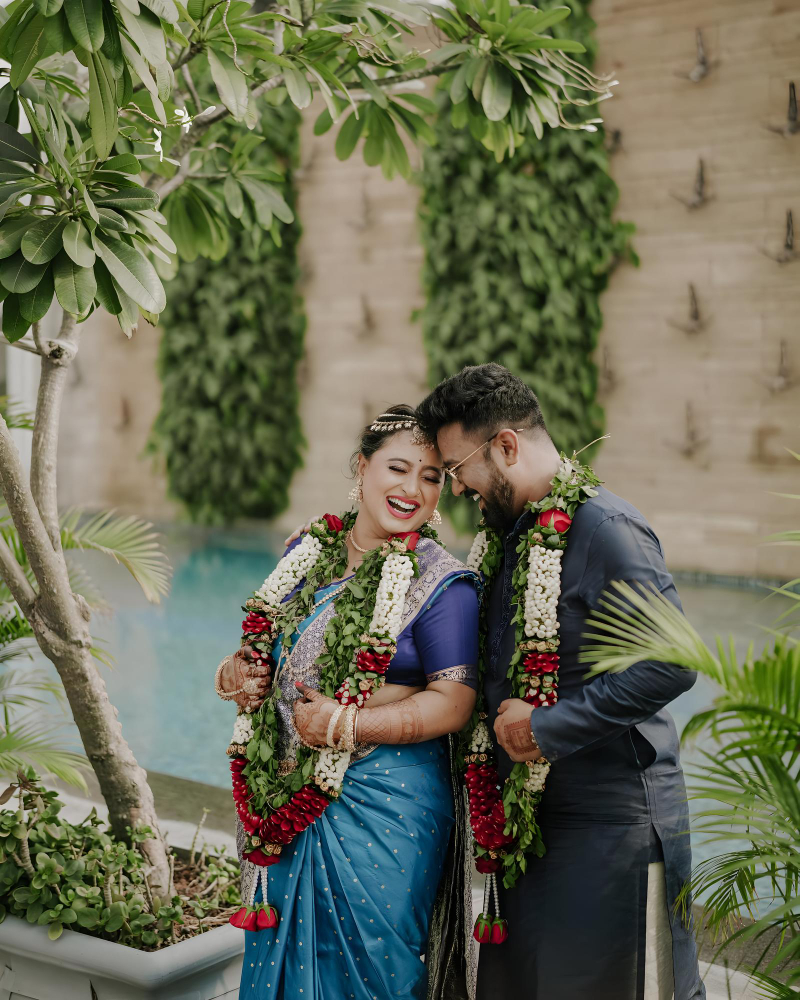
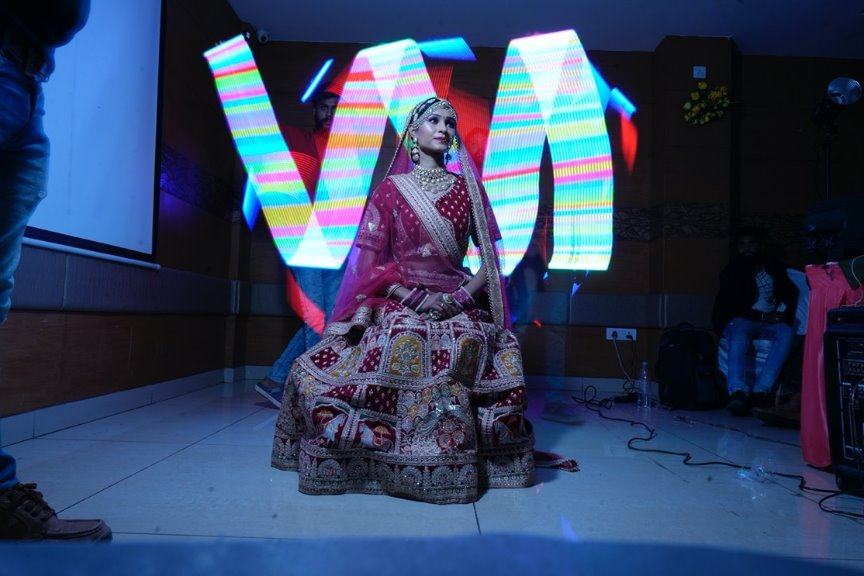
Everything you need to know — from planning and equipment to shooting and editing — to photograph Indian weddings with confidence
Indian weddings are unlike anything else a photographer will ever encounter. They are multi-day celebrations layered with ritual, colour, emotion, and controlled chaos — and they represent one of the most rewarding and financially viable specialisations available to photographers in India today.
Professional wedding photographers in India’s metros command anywhere from ₹50,000 to several lakhs per wedding. But beyond the income, the skills you build shooting Indian weddings will elevate every other kind of photography you do.
Most photographers, at some point, get asked to cover a wedding — either as the main photographer or as a helping hand documenting the day. The responsibility can feel daunting. But with the right preparation, the right equipment, and an understanding of what to expect, there is no reason your images cannot match those of a seasoned professional.
This guide covers everything you need to know.
Part 1: Planning an Indian Wedding Shoot
The quickest way to ruin a couple’s most important day is to show up without a plan. Indian weddings are complex, multi-event celebrations — and the photographer who hasn’t prepared is the one who misses the moments that cannot be repeated.
Here is what you need to think about before the first shutter click.
The Agreement
If a friend or family member has asked you to be their wedding photographer, a verbal yes might feel sufficient. But even for informal arrangements, a simple written confirmation of what you’ve agreed to cover — which events, what deliverables, and by when — protects everyone.
If you’re taking this on professionally, you need a formal contract. This should cover the events included, the number of edited photographs to be delivered, the delivery timeline, payment terms, cancellation policy, and copyright ownership of the images. Several Indian wedding photographer associations publish template contracts you can adapt.
Understanding the Full Wedding Programme
Unlike a western wedding that typically runs in a single day, an Indian wedding is a series of distinct ceremonies that can span two to five days. Depending on the community and family, you may be asked to cover some or all of the following:
For Hindu weddings: Haldi, Mehendi, Sangeet, Baraat, Wedding Ceremony (Pheras/Saat Phere), Vidaai, Reception
For Muslim weddings: Mehendi, Nikah, Walima
For Sikh weddings: Anand Karaj, Milni, Reception
For Christian weddings: Church ceremony, Reception
For South Indian weddings: Naandi, Nichayathartham, Wedding ceremony, Reception
Each event has its own lighting environment, emotional arc, and key moments. Understanding what to expect at each — what the rituals involve, what the emotional peak moments are, where the best light typically falls — is essential preparation that will separate your work from an amateur’s.
The Shot List
Work with the couple before the wedding to build a specific shot list. Indian families have strong opinions about which group photographs they want — maternal family, paternal family, siblings, childhood friends, college friends, and so on. Getting this list in advance saves enormous time and stress on the day itself.
Beyond group shots, discuss:
- Which specific rituals are most important to them
- Whether they want candid-led coverage, posed portraits, or a blend of both
- Any surprise moments planned (a flash mob at the Sangeet, a special entry, fireworks)
- Any family members who are particularly important to capture — elderly grandparents, relatives travelling from abroad
A detailed shot list is not a creative constraint. It is a roadmap that lets you focus your creative energy on the moments between the moments.
Scouting Locations in India
Indian wedding venues vary enormously — from palace hotels in Rajasthan and beachside resorts in Goa to community halls in Tier 2 cities and family homes in village settings. If possible, visit the venue before the wedding day.
Look for:
- Where the natural light falls at different times of day — particularly for morning ceremonies and golden hour couple portraits
- The mandap position and the direction it faces (backlit mandaps are beautiful but technically demanding)
- Indoor reception lighting — whether the venue uses warm tungsten, harsh fluorescent, or LED
- Clean backgrounds for formal portraits — a garden, a corridor, a staircase, a doorway
- Spots with visual character for creative couple portraits
If you cannot visit in advance, arrive at least 90 minutes early on the day. Walk every space. Identify your positions for each event.
Understanding the Schedule — and Its Reality
Indian wedding schedules exist primarily as optimistic fiction. The muhurat (auspicious time) for the ceremony is fixed, but almost everything else will shift — often by an hour or more.
Get the schedule in advance and use it to understand the sequence of events and roughly when the critical moments will occur. But stay flexible. Build buffer time into your expectations. Have a running mental checklist of what you’ve covered and what still needs to happen. The photographers who get flustered at Indian weddings are the ones rigidly attached to a timeline.
The Pre-Wedding Shoot
Pre-wedding shoots — sometimes called engagement shoots — have become a major part of Indian wedding photography culture. Typically held days or weeks before the wedding, they serve two purposes: they give the couple relaxed, beautiful portraits in a location of their choice, and they let you build rapport with them before the pressure of the wedding day.
Popular pre-wedding shoot settings in India include heritage monuments, tea estates, beaches, urban rooftops, fields of flowers, and studios with curated setups. Some couples invest significantly in travel for their pre-wedding shoot — Rajasthan forts, Coorg estates, Kerala backwaters.
Treat the pre-wedding shoot seriously. The comfort and trust you build with the couple will show directly in their expressions on the wedding day.
Backup Plans
If there is one day on which your equipment will choose to fail, it is the day of the wedding. Plan accordingly:
- Carry two camera bodies — always
- Format memory cards fresh before each event, and carry more capacity than you think you need
- Carry at least two fully charged batteries per body, and a charger
- Back up images to a portable hard drive or laptop during breaks between events
- Carry a spare flashgun, spare batteries for it, and spare flash triggers if you shoot off-camera
Outdoor summer weddings in India mean heat and humidity that stress both you and your equipment. Monsoon weddings mean rain — carry protective covers for your gear. Evening receptions mean you will be shooting in low light for hours — ensure your fast lenses are clean and functioning.
Payment and Packages
If you are charging professionally, research what photographers in your city and tier are charging before setting your rates. Indian wedding photography pricing varies significantly by city, experience level, and the scope of coverage.
When building your pricing, account for:
- Your time on each event day
- Travel and accommodation if the wedding involves outstation coverage
- Editing time — for a full Indian wedding, this can run to 40 to 60 hours or more
- Album design and printing, if included
- Equipment wear
Never undersell your work. Underpriced photography does not attract more clients — it attracts clients who do not value photography.
If the Worst Happens
If you are the contracted wedding photographer, your obligation is absolute. Illness, transport failure, personal emergency — none of these release you from responsibility. They simply change the form your responsibility takes.
Build a network of fellow wedding photographers — through Prolens workshops, through photography communities in your city — who can cover for each other in genuine emergencies. Establish these arrangements in advance. A photographer who fails to show and has made no arrangement for cover can face serious legal and reputational consequences.