
Part 3: What to Shoot — Key Moments Across an Indian Wedding
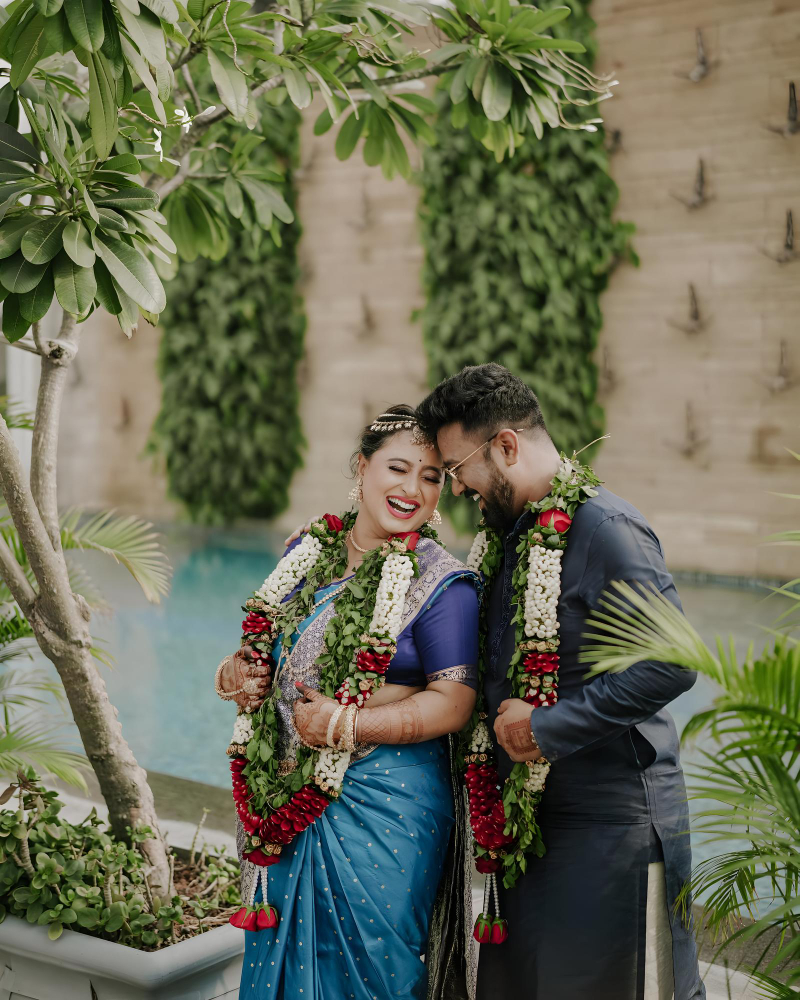
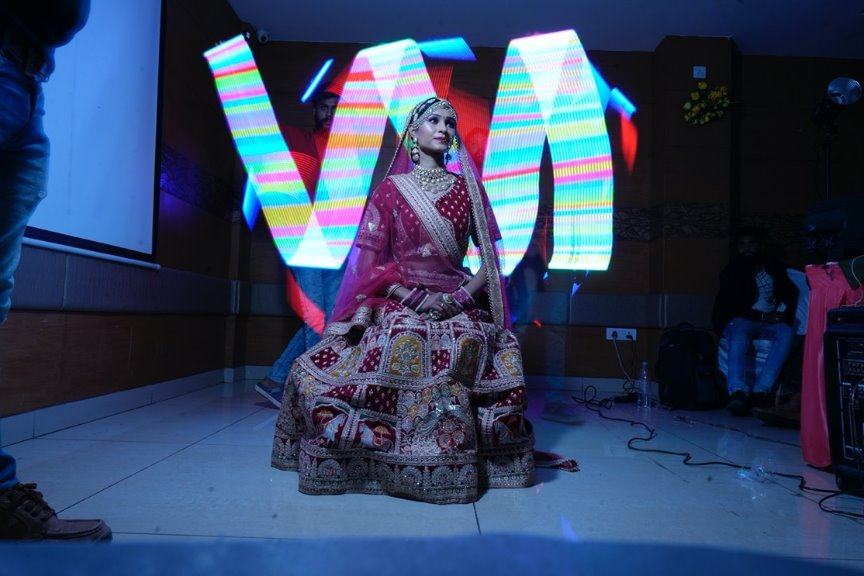
One of the most intimate and visually rich parts of any Indian wedding. The bride surrounded by family and friends, the final touches to jewellery and makeup, the mehendi on her hands catching the morning light, the moment she first sees herself fully dressed. Shoot detail images — the jewellery laid out, the bridal footwear, the invitation card, the wedding outfit before it is worn. These contextual detail shots give the wedding album depth and storytelling texture that ceremony images alone cannot provide. Look for emotional moments — the mother fastening the necklace, the grandmother’s expression as she sees the bride dressed, the bride’s own quiet moment before the day begins. The Haldi Ceremony Pure photographic joy — and technically demanding. Bright outdoor or semi-outdoor light, fast-moving action, flying turmeric paste, and expressions of unguarded laughter and emotion. Protect your equipment. Turmeric is extremely difficult to clean from camera bodies and lenses. Use a UV filter on your lenses and consider a light camera cover. Shoot from slightly wider than you think you need to — Haldi moments escalate quickly and you don’t want to be too close when the paste starts flying. Expose carefully. Bright outdoor light combined with the intense yellow of turmeric creates tricky metering situations. Watch your highlights on white or light-coloured clothing. The Mehendi Evening Detailed close-up work — the mehendi artist’s hands, the intricate patterns on the bride’s palms and arms, reaction shots from family watching — combined with the warm, intimate energy of a family gathering. A macro lens or close-focus capability on your standard zoom will serve you well here. Soft, warm available light is usually beautiful for Mehendi photography. Supplement with a small LED panel if the light is insufficient, positioned to give dimension to the mehendi patterns. The Sangeet Night The most high-energy event of the wedding programme — performances, dancing, elaborate décor, stage lighting, and the entire family in their most colourful outfits. Stage lighting at Sangeet nights is typically a mix of coloured LEDs, moving heads, and follow spots — which creates extraordinary visual opportunities and significant white balance challenges. Shoot in RAW and set a manual white balance, or simply embrace the colour as part of the atmosphere and adjust in post. This is the event where off-camera flash will most dramatically elevate your work — a clean, directional light source on your subjects against the colourful ambient chaos creates images with real depth and drama. The Baraat The groom’s procession is one of the most physically demanding parts of an Indian wedding to photograph — loud, moving, crowded, and often happening in the transition between late afternoon light and artificial street or venue lighting. Stay mobile. Move with the procession rather than from a fixed position. The groom on the decorated horse or car, the family dancing around him, the dhol players, the children running alongside — all are part of the story. A wide lens and willingness to be in the middle of it all will give you the images. Watch the light. If the Baraat begins as the sun is setting, the first fifteen minutes may be beautiful warm golden light. Position yourself to make use of it before it disappears. The Jaimala / Varmala The exchange of garlands between the couple — often elevated on a platform, surrounded by family, sometimes with playful interference from the bride’s brothers trying to keep the groom from reaching the garland. This moment is usually fast and joyful. Position yourself close but not obstructive. A short telephoto — 85mm or the long end of a 24–70 — gives you flattering compression and the ability to fill the frame with the couple’s expressions without getting in the way. The Wedding Ceremony — Pheras and Saat Phere The emotional and ritual heart of the Hindu wedding. Seven circumambulations of the sacred fire, each representing a vow — this is the sequence of images that the family will return to most often when they look back at the album. Speak to the pandit before the ceremony begins. Understand where you may position yourself, whether flash photography is permitted during the Pheras, and which specific moments — the tying of the mangalsutra, the application of sindoor, the Saat Phere — are most significant to the family. Shoot wide to establish the context of the mandap, medium to capture the couple together with the sacred fire, and tight on expressions — particularly the bride’s face during the sindoor moment, which is almost universally the most emotionally powerful photograph of the entire wedding. The Vidaai The bride leaving her family home — or the wedding venue — to begin her new life. The most emotionally intense moment of the entire wedding programme, and the one where the most powerful photographs are often made. Work quietly and unobtrusively. Do not intrude on private grief. Position yourself where you can see faces — the bride’s expression, the mother’s face, the father’s composure or the moment it breaks. The Vidaai is not a moment for directing or posing. It is a moment for witness and sensitivity. The Couple Portrait Session Usually scheduled between the ceremony and the reception — often coinciding with golden hour if the timing works — the couple portrait session is your creative space. Come with locations in mind from your scouting. Have three or four spots ready. Move efficiently — the couple will be emotionally exhausted and aware that guests are waiting for the reception to begin. Use the light. Golden hour in India is extraordinary — warm, directional, and forgiving. A backlit couple with golden light rimming their profiles and the right exposure on their faces is one of the most beautiful things Indian wedding photography produces. Give direction without being rigid. Tell them where to stand and what to do with their hands — but give them enough space to produce genuine expressions. The best couple portraits come from moments of real laughter or real tenderness, not from rigid
The Complete Indian Wedding Photography Guide: How to Photograph Weddings in India
Everything you need to know — from planning and equipment to shooting and editing — to photograph Indian weddings with confidence Indian weddings are unlike anything else a photographer will ever encounter. They are multi-day celebrations layered with ritual, colour, emotion, and controlled chaos — and they represent one of the most rewarding and financially viable specialisations available to photographers in India today. Professional wedding photographers in India’s metros command anywhere from ₹50,000 to several lakhs per wedding. But beyond the income, the skills you build shooting Indian weddings will elevate every other kind of photography you do. Most photographers, at some point, get asked to cover a wedding — either as the main photographer or as a helping hand documenting the day. The responsibility can feel daunting. But with the right preparation, the right equipment, and an understanding of what to expect, there is no reason your images cannot match those of a seasoned professional. This guide covers everything you need to know. Part 1: Planning an Indian Wedding Shoot The quickest way to ruin a couple’s most important day is to show up without a plan. Indian weddings are complex, multi-event celebrations — and the photographer who hasn’t prepared is the one who misses the moments that cannot be repeated. Here is what you need to think about before the first shutter click. The Agreement If a friend or family member has asked you to be their wedding photographer, a verbal yes might feel sufficient. But even for informal arrangements, a simple written confirmation of what you’ve agreed to cover — which events, what deliverables, and by when — protects everyone. If you’re taking this on professionally, you need a formal contract. This should cover the events included, the number of edited photographs to be delivered, the delivery timeline, payment terms, cancellation policy, and copyright ownership of the images. Several Indian wedding photographer associations publish template contracts you can adapt. Understanding the Full Wedding Programme Unlike a western wedding that typically runs in a single day, an Indian wedding is a series of distinct ceremonies that can span two to five days. Depending on the community and family, you may be asked to cover some or all of the following: For Hindu weddings: Haldi, Mehendi, Sangeet, Baraat, Wedding Ceremony (Pheras/Saat Phere), Vidaai, Reception For Muslim weddings: Mehendi, Nikah, Walima For Sikh weddings: Anand Karaj, Milni, Reception For Christian weddings: Church ceremony, Reception For South Indian weddings: Naandi, Nichayathartham, Wedding ceremony, Reception Each event has its own lighting environment, emotional arc, and key moments. Understanding what to expect at each — what the rituals involve, what the emotional peak moments are, where the best light typically falls — is essential preparation that will separate your work from an amateur’s. The Shot List Work with the couple before the wedding to build a specific shot list. Indian families have strong opinions about which group photographs they want — maternal family, paternal family, siblings, childhood friends, college friends, and so on. Getting this list in advance saves enormous time and stress on the day itself. Beyond group shots, discuss: A detailed shot list is not a creative constraint. It is a roadmap that lets you focus your creative energy on the moments between the moments. Scouting Locations in India Indian wedding venues vary enormously — from palace hotels in Rajasthan and beachside resorts in Goa to community halls in Tier 2 cities and family homes in village settings. If possible, visit the venue before the wedding day. Look for: If you cannot visit in advance, arrive at least 90 minutes early on the day. Walk every space. Identify your positions for each event. Understanding the Schedule — and Its Reality Indian wedding schedules exist primarily as optimistic fiction. The muhurat (auspicious time) for the ceremony is fixed, but almost everything else will shift — often by an hour or more. Get the schedule in advance and use it to understand the sequence of events and roughly when the critical moments will occur. But stay flexible. Build buffer time into your expectations. Have a running mental checklist of what you’ve covered and what still needs to happen. The photographers who get flustered at Indian weddings are the ones rigidly attached to a timeline. The Pre-Wedding Shoot Pre-wedding shoots — sometimes called engagement shoots — have become a major part of Indian wedding photography culture. Typically held days or weeks before the wedding, they serve two purposes: they give the couple relaxed, beautiful portraits in a location of their choice, and they let you build rapport with them before the pressure of the wedding day. Popular pre-wedding shoot settings in India include heritage monuments, tea estates, beaches, urban rooftops, fields of flowers, and studios with curated setups. Some couples invest significantly in travel for their pre-wedding shoot — Rajasthan forts, Coorg estates, Kerala backwaters. Treat the pre-wedding shoot seriously. The comfort and trust you build with the couple will show directly in their expressions on the wedding day. Backup Plans If there is one day on which your equipment will choose to fail, it is the day of the wedding. Plan accordingly: Outdoor summer weddings in India mean heat and humidity that stress both you and your equipment. Monsoon weddings mean rain — carry protective covers for your gear. Evening receptions mean you will be shooting in low light for hours — ensure your fast lenses are clean and functioning. Payment and Packages If you are charging professionally, research what photographers in your city and tier are charging before setting your rates. Indian wedding photography pricing varies significantly by city, experience level, and the scope of coverage. When building your pricing, account for: Never undersell your work. Underpriced photography does not attract more clients — it attracts clients who do not value photography. If the Worst Happens If you are the contracted wedding photographer, your obligation is absolute. Illness, transport failure, personal emergency — none of these release you from responsibility. They